Skip to content
SATLAS

Search SATLAS

Find a facility, a science case, a term or a position on the sky

Every major observatory, from nanohertz gravitational waves to TeV gamma rays.

Passbands, sky coverage, processing levels and archive access for 55 facilities, from pulsar timing arrays and kilometre-scale interferometers to grazing-incidence X-ray optics in orbit. Each entry traces the data from detector to catalogue and links to the primary archive.

Open the landscape
facilities
55
space-based
35
ground-based
20
spectral bands
8
glossary terms
131
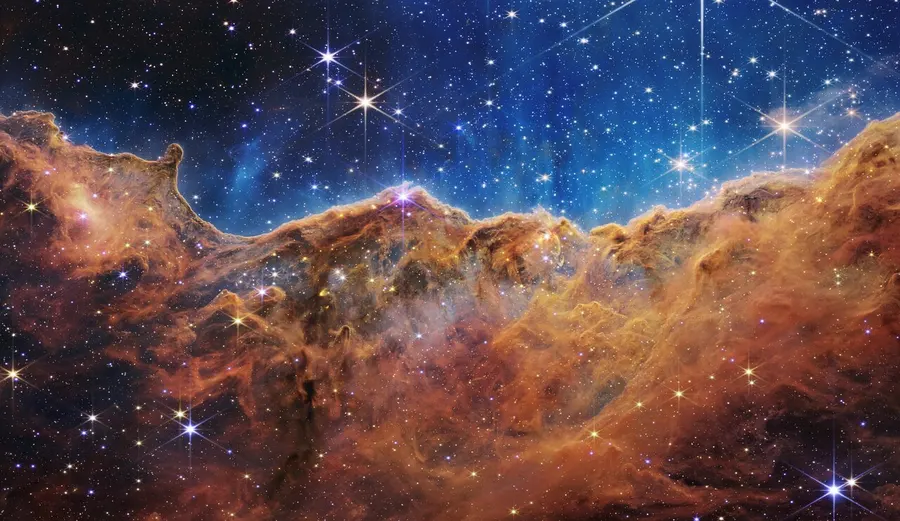
Glowing orange cliffs of gas and dust under a blue sky scattered with stars.

JWST

Operating, 2021–

James Webb Space Telescope

6.5 m of cryogenic aperture out to 28 µm: galaxies at z > 10 and the atmospheres of transiting exoplanets.

  • Infrared
  • Optical

The “Cosmic Cliffs” at the edge of NGC 3324 in the Carina Nebula, NIRCam, 2022. NASA, ESA, CSA and STScI, CC BY 4.0 (opens in a new tab)
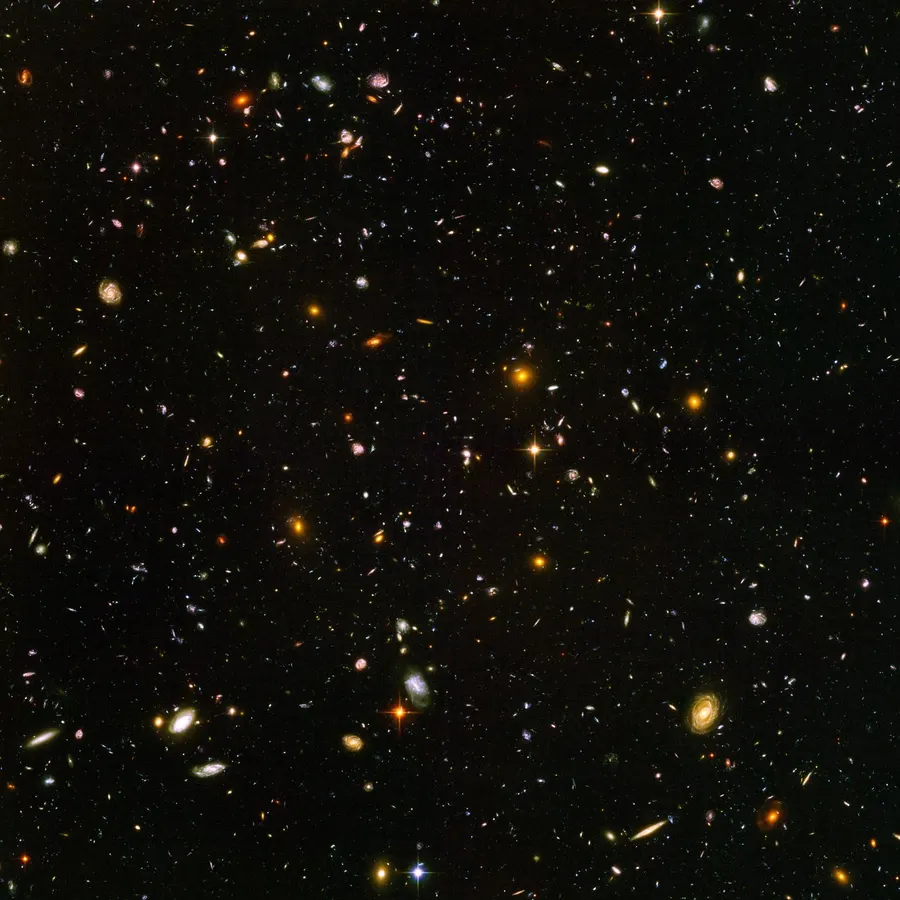
Thousands of small galaxies of many shapes and colours on black.

Hubble

Operating, 1990–

Hubble Space Telescope

Diffraction-limited from the ultraviolet to the near-infrared for more than 35 years, and the only large ultraviolet spectroscopic capability in orbit.

  • Infrared
  • Optical
  • Ultraviolet

The Hubble Ultra Deep Field: nearly 10,000 galaxies in a field 3.1′ across; the smallest and reddest may date from when the Universe was about 800 million years old. NASA, ESA, S. Beckwith (STScI) and the HUDF Team, CC BY 4.0 (opens in a new tab)
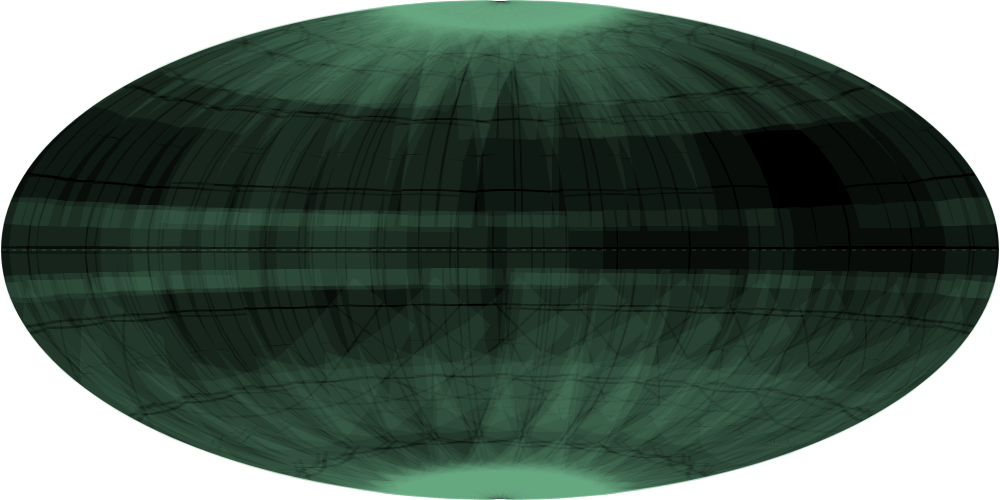
An oval map of the sky tiled by overlapping rectangles, brightest around the two poles.

TESS

Operating, 2018–

Transiting Exoplanet Survey Satellite

Near-all-sky time-series photometry, sector by sector: the main source of transiting planets around bright stars.

  • Infrared
  • Optical

Every sector observed so far, in ecliptic coordinates; exposure accumulates where sectors overlap and peaks in the continuous viewing zones at the poles. Drawn by SATLAS from tesswcs pointings (opens in a new tab)

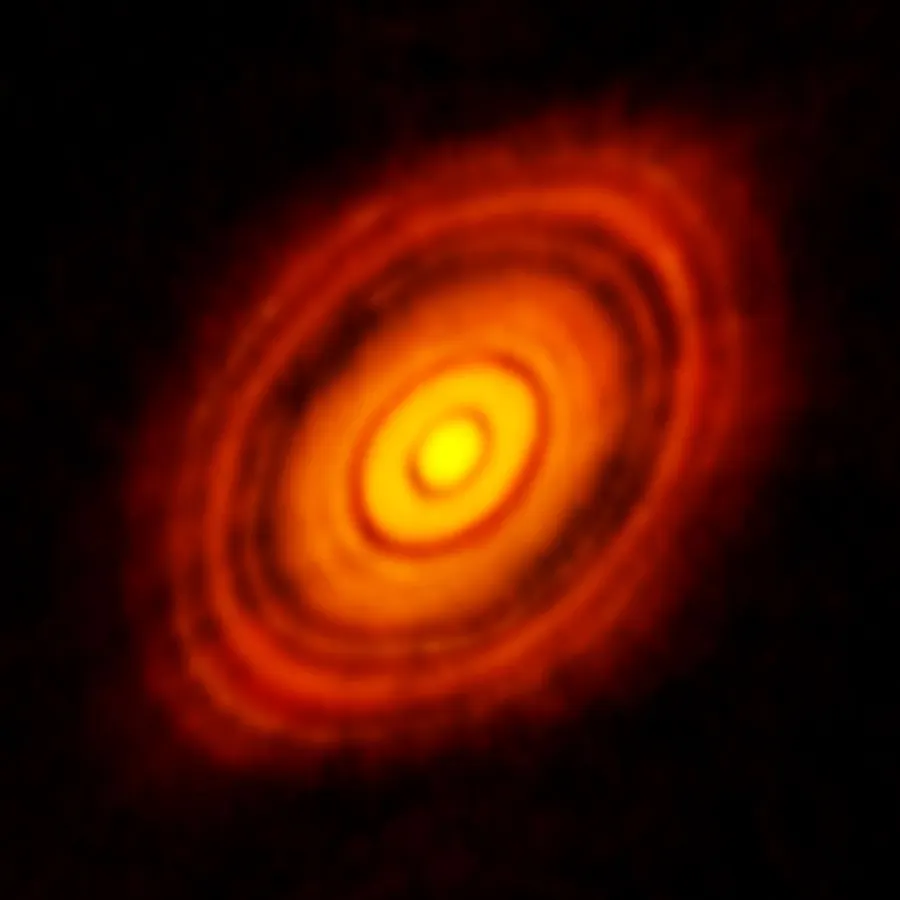
An orange disc of dust around a young star, cut by dark rings.

ALMA

Operating, 2011–

Atacama Large Millimeter/submillimeter Array

Millimetre interferometry down to a few milliarcseconds: the cold dust and molecular gas where stars and planets form.

  • Millimetre

HL Tauri's protoplanetary disc from the 2014 Long Baseline Campaign; the gaps are thought to be carved by forming planets. ALMA (ESO/NAOJ/NRAO), CC BY 4.0 (opens in a new tab)

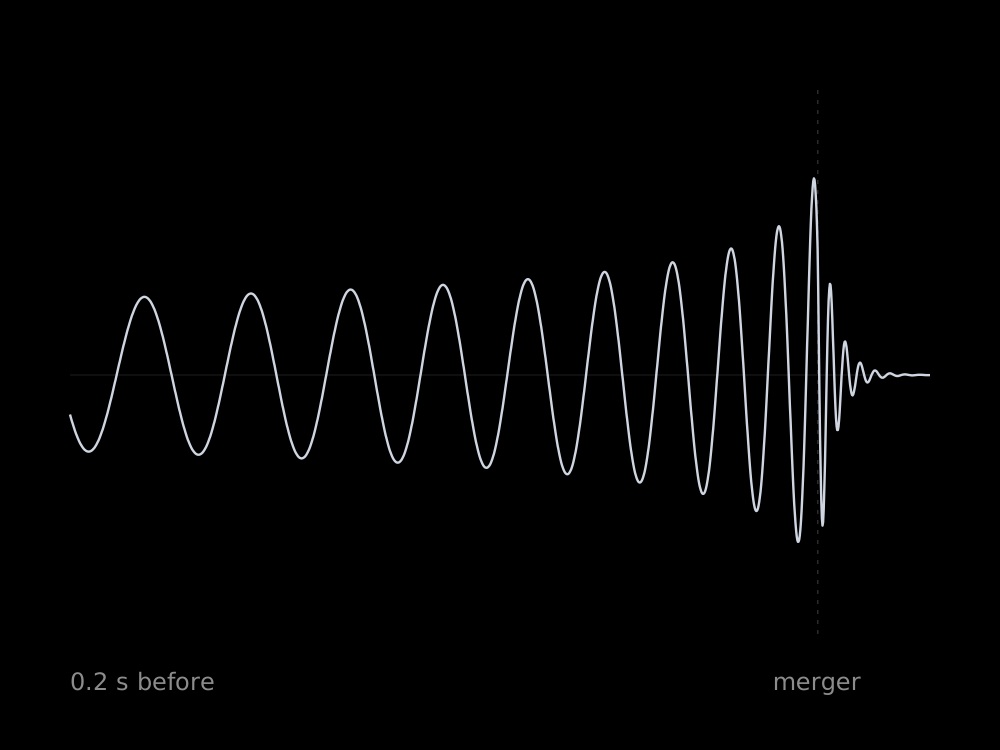
A wave that grows faster and taller, then stops abruptly.

LIGO

Operating, 2015–

Laser Interferometer Gravitational-Wave Observatory

Opened gravitational-wave astronomy with GW150914, a binary black-hole merger about 410 Mpc away.

  • Gravitational waves

A leading-order inspiral chirp for GW150914's detector-frame chirp mass of about 30 M☉; drawn from the parameters, not the recorded strain. Drawn by SATLAS (opens in a new tab)

Explore further